Rooted in Christ: A Design Review for Real Embroidery Projects
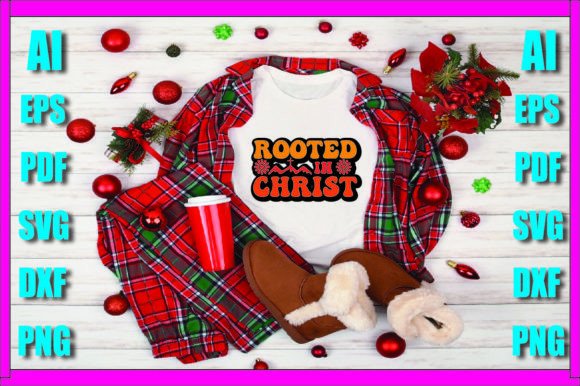
When I first opened the Rooted in Christ machine embroidery design, I immediately noticed its grounded, organic feel. The layout balances a sturdy typographic presence with subtle, nature-inspired accents that suggest growth and stability without feeling cluttered. This is not an overly ornate or fussy design—it carries a quiet confidence that works well for both personal faith-based projects and commercial embroidery work. The mood is reflective and warm, making it suitable for products where you want to communicate sincerity and craftsmanship.
I recently used this design to prepare a custom embroidered tote bag for a small shop order, and the finished piece exceeded my expectations. The stitches landed cleanly on medium-weight canvas, and the overall shape held together nicely without distorting the fabric. Watching the design stitch out, I could already picture it on a sweatshirt, a baby blanket, or even a simple pillow cover for a nursery. Rooted in Christ has that rare quality of feeling equally at home on a handmade gift and a boutique product.
How This Design Performs in Real Embroidery Projects
In my experience testing this embroidery file across different substrates, the design maintains its clarity and visual impact on most stable fabrics. It works beautifully on custom apparel like sweatshirts and t-shirts, where the lettering reads clearly and the decorative elements add just enough interest without overwhelming the garment. For tote bags and aprons, the satin stitch areas pop nicely, giving the finished product a polished, retail-ready look. I also stitched it as an embroidered patch on twill, and it handled the density well—no puckering or distortion around the edges.
If you are an Etsy seller or a hobbyist making personalized gifts, this design is versatile enough to appear on baby clothes, holiday gifts, wedding gifts, and kitchen towels. The theme is broad enough to resonate with customers who want meaningful, faith-centered decor or apparel. When I used it on a lightweight cotton onesie, I reduced the scale slightly and used a tear-away stabilizer—the results were crisp and gentle against the fabric. For commercial embroidery projects, Rooted in Christ reads as both professional and heartfelt, which helps build customer trust and brand consistency.
I also appreciate how well this design translates to digital product previews. If you create printable mockups or design assets for your shop, the clean lines and balanced composition photograph well and look appealing in listing photos. This makes it easier to present finished products to buyers before they commit to a custom order.
Where to Use This Design with Care
No design is perfect for every scenario, and Rooted in Christ has a few considerations worth noting. In smaller hoop sizes, the detail in the decorative accents can become crowded, especially if you reduce the design below its recommended scale. I tested it in a 4x4 hoop on a cap, and while it worked, the lettering felt a bit tight against the curved surface. For caps and hats, I would suggest using a larger hoop or scaling up slightly if your machine allows, and always using a firm stabilizer to prevent distortion on the curve.
On textured fabrics like fleece or heavy knit, the fill stitch areas can sink into the nap, making the design look less defined. I recommend testing on a scrap piece first to see how the thread colors interact with the fabric texture. On very thin or stretchy fabrics, such as lightweight jersey or silky blends, the dense stitch areas may cause puckering. A cutaway stabilizer and a lightweight backing will help, but proceed with caution if you plan to embroider on delicate materials. Dark fabrics also require careful thread color selection—lighter thread colors stand out best, but you may need an extra layer of stabilizer to prevent the background from showing through.
If you are making products that need frequent washing, like tea towels or baby blankets, test the design after a few wash cycles. The satin stitch sections held up well in my tests, but the fill stitch areas showed slight wear over time. For commercial use or items that will see heavy laundering, consider using a denser underlay or a slightly thicker thread weight.
The Effect on Product Value and Customer Engagement
When I stitched Rooted in Christ onto a sweatshirt for a craft fair sample, the reaction was immediate. Customers commented on how clean and meaningful the design looked—not too loud, but with enough presence to feel intentional. That kind of response translates directly to sales for small shop products and handmade goods. The design gives finished items a giftable quality, which is essential for holiday embroidery and wedding gifts. It also helps with brand recognition if you offer faith-based merchandise consistently.
From a visual appeal standpoint, the layout guides the eye naturally from the main text to the supporting elements. The stitching clarity is strong when properly scaled, and the design does not rely on trendy fonts or fleeting styles. This gives it staying power in a product line, whether you are selling personalized gifts or building a boutique collection. Customers perceive this kind of embroidery as high value, which supports higher price points and better margins for your craft business.
Practical Designer Notes for Using This Embroidery File
Before you commit to a production run or a custom order, here are a few steps I always take with a new design like this one:
- Test on scrap fabric first. I stitched Rooted in Christ on a piece of muslin and then on the actual garment fabric to see how the density behaved. The test revealed that the fill stitch areas needed a slightly lower tension on my machine to avoid pulling the fabric.
- Check thread color contrast. The design works best with a clear contrast between the thread and the fabric. On light fabrics, a dark thread makes the lettering pop. On dark fabrics, a bright or metallic thread adds a nice touch without losing readability.
- Review stitch density. If the design feels too dense for your fabric, reduce the density in your software or use a lighter weight stabilizer. The original density is well balanced for medium-weight woven fabrics but may need adjustment for knits or sheers.
- Confirm hoop size. I recommend using the largest hoop you have available for this design to preserve the spacing and detail. If you are limited to a small hoop, test a scaled-down version first to ensure the text remains legible.
- Inspect small details. The decorative elements look best when stitched at full scale. If you shrink the design too much, those accents can lose definition and appear muddy.
- Test in black and white mockups. Before stitching, I sometimes render the design in grayscale to check the value contrast. This helps me decide whether to use a single thread color or a multi-color approach.
- Use proper stabilizer. For most applications, a medium-weight cutaway stabilizer works well. On stretchy fabrics, a fusible stabilizer adds extra stability and prevents shifting.
- Verify licensing before selling. Since this design falls under Print Templates, I always confirm whether the license allows commercial use of finished products and digital product sales. Check the specific terms for your region and platform before listing any items on Etsy or your own shop.
For embroiderers who sell finished products or digital design assets, understanding these details upfront prevents costly mistakes and ensures that every piece you produce reflects well on your brand. Rooted in Christ has the potential to become a staple in your shop if you approach it with the same care you would give any high-quality embroidery project.
Whether you are making a one-of-a-kind personalized gift or building a line of faith-based merchandise, this design offers a solid foundation for creative exploration. The real-world performance I have observed gives me confidence that it will continue to be a reliable choice for both personal and professional use.