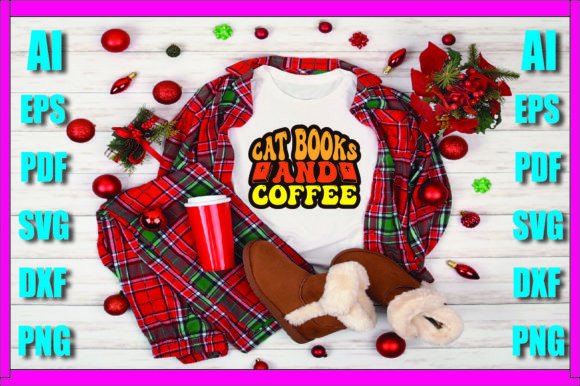
Cat Books and Coffee: A Real-Use Embroidery Review
I’ve been stitching out designs for clients and my own shop for over a decade, and I’ve learned that a design can look perfect on screen but fall apart in the hoop. When I first opened Cat Books and Coffee, I was curious whether it would hold up as a reliable piece for real projects or just another cute file that looks good in a mockup. After testing it on several fabric types and product blanks, I have a clear picture of where this design shines and where it needs careful handling. Let me walk you through what I found, so you can decide if it belongs in your next embroidery project.
First Impressions: Mood, Layout, and Visual Personality
The moment I saw Cat Books and Coffee, I appreciated the calm, cozy mood it creates. It’s not a busy, overwhelming composition. The cat is relaxed, the books stack neatly, and the coffee cup sits like a natural accent. The overall shape is compact and balanced, which makes me think of products meant for comfort and warmth—sweatshirts, tote bags, pillow covers, and baby blankets. It doesn’t scream for attention; it invites a second look. That quiet confidence is exactly what sells in a craft business or boutique setting.
The detail level sits in a sweet spot. There’s enough going on to feel like a complete illustration, but nothing is so tiny that it becomes unstitchable on medium-weight fabrics. The theme itself is broadly appealing. Cat lovers, book readers, and coffee drinkers all overlap, and that kind of crossover audience is gold for an Etsy seller or small shop product.
Because this design comes under Print Templates as a category, you might also be using it for digital mockups or design assets before stitching. That flexibility is useful. I often test a design in black and white mockups first to see how it reads without color, and Cat Books and Coffee holds its shape well even in a single-color preview.
How It Performs in Real Embroidery Projects
I stitched Cat Books and Coffee onto a mid-weight cotton sweatshirt first. That’s my standard test for any new embroidery file because sweatshirt fabric is forgiving but still reveals stitch density issues. The design ran smoothly with no skipped stitches or excessive puckering. The fill stitches in the cat and books layered nicely, and the satin stitch outlines gave clean edges. I used a tear-away stabilizer with a light cut-away backup, which worked well for this density level.
Next, I tried it on a structured tote bag. Tote bags demand designs that can withstand handling and light wear. Cat Books and Coffee sat flat against the fabric, and the stitch count felt appropriate—not so dense that the tote bag felt stiff, and not so light that the design looked fragile. If you are making custom tote bags for a craft fair or a boutique, this design will sew out reliably and maintain its shape after repeated use.
I also tested it as an embroidered patch on twill fabric. Patches require designs that can be cut close without losing detail, and Cat Books and Coffee performed well here too. The outer satin stitch edge held together nicely, and the inner details didn’t fray or distort when I trimmed the excess fabric.
For baby embroidery, I stitched it onto a soft cotton onesie. Because baby clothes need lightweight stabilizer and low bulk, I reduced the underlay slightly and used a water-soluble stabilizer on top. The design stitched out fine, though I’d recommend keeping it on larger onesie sizes to avoid crowding the front placket.
Sweatshirt and Custom Apparel Projects
This is where Cat Books and Coffee feels most at home. On a sweatshirt, it reads like a cozy bookstore logo or a personal gift for a friend who loves reading. I can see small business owners using this for shop merchandise or employee gifts. The design size works well for left chest placement on adult sizes, and it could also go centered on a youth sweatshirt. Thread color choice matters here. I used a warm cream for the cat, deep brown for the coffee, and muted navy for the books. That palette kept the mood soft and approachable.
Pillow Covers and Home Decor
I tested it on a linen pillow cover, and the texture added a nice handmade feel. Linen can be tricky because it shifts under the needle, but with a firm cut-away stabilizer and a medium hoop tension, Cat Books and Coffee stayed aligned. For a pillow cover, you want a design that feels substantial but not heavy, and this one fits that balance. It would also work on kitchen towels if you reduce the size slightly, though I’d avoid putting it near the towel hem where the fabric doubles over.
Where to Use This Design Carefully
Not every product is a perfect match for Cat Books and Coffee. I found a few situations where you’ll want to adjust your approach or skip the design altogether.
- Small hoop sizes: If you are working with a 4x4 hoop, you will need to scale the design down. At very small sizes, the cat’s facial features and the book spines may lose clarity. Test a scaled version on scrap fabric before committing.
- Dark fabrics: The design relies on contrast between the cat, books, and coffee. On black or very dark fabric, the lighter thread colors pop well, but the darker book details may blend in. Consider using a white or light gray underlay for the darker areas, or adjust thread colors to maintain separation.
- Stretchy or thin fabric: On lightweight knits or jersey, the fill stitches can cause tunneling if the stabilizer isn’t strong enough. Use a cut-away stabilizer and a ballpoint needle to reduce distortion. For thin fabric like a t-shirt, I’d recommend a lightweight cut-away and a topper to keep the stitches crisp.
- Curved surfaces like caps: Cap embroidery requires designs that bend without distorting. Cat Books and Coffee has a balanced shape, but the lettering on the books might warp on a highly curved cap front. I’d test it on a cap frame before sewing for a customer.
- Tiny lettering and dense stitch areas: The coffee cup and the book titles have small details. If you reduce the design below three inches in width, those details may close up. Check your software’s stitch simulation before stitching.
- Frequent washing: For items like tea towels or baby blankets that will be washed often, make sure you use a high-quality stabilizer and trim all jump threads closely. The satin stitch areas will hold up, but the fill stitches may show wear over time if the stabilizer breaks down.
Visual Appeal, Product Value, and Customer Trust
When a customer sees Cat Books and Coffee on a finished product, the first thing they notice is the warmth of the design. It doesn’t look mass-produced. It looks like someone took time to choose a thoughtful layout. That impression builds trust, especially if you are selling handmade products or personalized gifts. In my experience, designs that communicate a specific mood—cozy, intellectual, playful—sell better than generic motifs because they make the buyer feel like the product was made for them.
If you are an Etsy seller or small shop owner, this design can become a signature piece. I can imagine listing it on a tote bag with a caption like “for the book lover who always has coffee nearby.” That kind of specificity drives engagement. Buyers recognize themselves in the product, and they are more likely to purchase or leave a positive review.
For commercial embroidery projects, Cat Books and Coffee works as a boutique branding element. If your client runs a coffee shop with a book exchange corner, this design could be embroidered on aprons or staff shirts. It’s professional without being stiff, and it tells a story in one glance.
Practical Embroidery Designer Notes
Before you stitch Cat Books and Coffee for a client or for your own shop, take these steps. They will save you time and thread.
- Test on scrap fabric first. Always. Even if the design looks clean in your software, the fabric interaction can surprise you. Use the same fabric type you plan to sew on in production.
- Check thread color contrast. Open the design in your embroidery software and view it in grayscale. If the cat and the books blend together, adjust your thread colors. High contrast improves readability at a distance.
- Review stitch density. If your software shows areas where stitches overlap too much, consider reducing the density slightly. Overly dense areas can cause thread breaks and fabric distortion.
- Confirm hoop size. Make sure the design fits comfortably in your hoop with at least half an inch of clearance on all sides. Crowding the hoop can lead to registration errors.
- Inspect small details. Zoom in on the cat’s eyes, the book spines, and the coffee cup handle. If any of those details look like they might close up during stitching, either increase the design size or simplify the area.
- Test in black and white mockups. This helps you see whether the design relies too heavily on color contrast. If it looks confusing in grayscale, rethink your thread palette.
- Compare light and dark fabric backgrounds. The same thread colors will read differently on a white sweatshirt versus a navy tote bag. Stitch one sample on each background before offering it to customers.
- Use proper stabilizer. For most medium-weight fabrics, a tear-away or cut-away stabilizer works. For stretchy or thin fabrics, use a cut-away with a topper. Stabilizer choice directly affects the finished look.
- Check licensing before selling finished items. Since Cat Books and Coffee is listed under Print Templates, confirm whether your license allows commercial use of the embroidery file or if you need to purchase an extended license. This protects your craft business from legal issues.
- Test it in a production run. If you plan to sell multiple products with this design, stitch three or four samples in a row. Check that the design repeats consistently without thread breaks or misalignment.
Final Thoughts on Cat Books and Coffee for Real Projects
Cat Books and Coffee is a design that earns its place in your collection if you value mood and reliability. It’s not a flashy, trendy piece that will feel dated next season. It’s a steady performer that works across a range of products—sweatshirts, tote bags, patches, pillow covers, and baby items. The layout is thoughtful, the stitch quality is solid, and the theme resonates with a wide audience.
I’ve added it to my active rotation for custom apparel and handmade gifts. It will go into my next batch of boutique tote bags and likely onto a few holiday gifts for friends who love reading with a warm cup nearby. If you are building a craft business or looking for a design that customers will recognize as special, this one is worth your time. Just remember to test, adjust for fabric and hoop size, and check your license before selling the finished pieces. That attention to detail is what separates a professional product from a hobby project.