Jesus Fish and Baptism
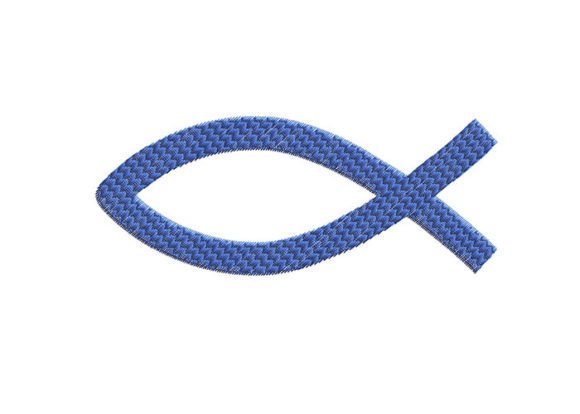
The Jesus Fish, also known as the ichthys symbol, is a powerful graphic design asset that carries deep religious significance, especially within the context of Baptism. This simple yet iconic image has been used for centuries to represent faith, community, and spiritual commitment. As a blog designer and digital publisher, I’ve found that the Jesus Fish offers a unique opportunity to enhance editorial design, build reader trust, and create visually compelling content across multiple platforms.
First Impressions: A Symbol of Faith and Simplicity
When first encountering the Jesus Fish, its clean lines and minimalistic form immediately stand out. The symbol exudes a sense of calm, reverence, and tradition, making it ideal for content niches that focus on spirituality, religion, and personal growth. Its visual mood is both modern and timeless, which allows it to blend seamlessly into a variety of editorial styles—whether you're designing for a lifestyle blog, a faith-based website, or a creative marketplace.
This graphic design asset feels authentic and unpretentious, which can be a strong asset in content marketing. It doesn’t scream for attention but instead invites engagement through its quiet strength. For publishers looking to build a consistent brand identity, the Jesus Fish can serve as a subtle yet meaningful visual anchor.
Real Publishing Use Cases: From Blog Graphics to Digital Guides
The versatility of the Jesus Fish makes it an excellent choice for a wide range of publishing needs. Whether you're creating blog featured images, Pinterest pins, or article headers, this design asset can elevate your editorial quality and help your content stand out in a crowded digital space.
- Blog Featured Images: The Jesus Fish can act as a strong focal point for posts about faith, baptism, or spiritual journeys. Its simplicity ensures it doesn’t compete with text but instead supports the narrative.
- Pinterest Graphics: As a social media graphics tool, the Jesus Fish can be used to create eye-catching Pinterest pins that attract users searching for religious or inspirational content.
- Article Headers: Incorporating the Jesus Fish into article headers adds a touch of visual interest without overwhelming the reader. It’s especially effective when paired with clean typography and soft color palettes.
- Website Banners: As a website header or section divider, the Jesus Fish can reinforce your brand's message and create a cohesive look across your site.
- Newsletter Graphics: Adding the Jesus Fish to your newsletter banners or email templates can increase recognition and build a stronger connection with your audience.
- Lead Magnets: When used in downloadable resources like worksheets, checklists, or guides, the Jesus Fish can add a professional and polished feel to your digital products.
- Canva Templates: The Jesus Fish is an ideal element for Canva templates, allowing users to quickly create professional-looking designs for blogs, social media, or presentations.
How Jesus Fish Boosts Content Performance
Using the Jesus Fish in your content strategy can have a measurable impact on how your audience interacts with your work. Here are some key benefits:
- Stronger First Impression: A well-designed visual can capture attention instantly, increasing the likelihood that readers will engage with your content.
- Clearer Visual Hierarchy: The Jesus Fish helps guide the viewer’s eye, making it easier to navigate complex layouts and prioritize important information.
- Better Click-Through Potential: Eye-catching visuals can improve engagement metrics, leading to higher click-through rates on links, affiliate content, and call-to-action buttons.
- More Consistent Branding: By incorporating the Jesus Fish into your design system, you can create a more unified and recognizable brand presence across all platforms.
- Improved Reader Trust: A polished, professional look can increase credibility, making your content more trustworthy and valuable to your audience.
- Stronger Visual Identity: The Jesus Fish can become a signature element of your brand, helping you stand out in competitive markets.
Where Jesus Fish Works Best
The Jesus Fish shines in situations where visual storytelling and symbolism matter most. It’s particularly effective in:
- Hero Images: As a central visual element, the Jesus Fish can set the tone for a landing page or blog post.
- Article Thumbnails: When used as a thumbnail for articles about faith, baptism, or spiritual growth, it can draw readers in with its symbolic power.
- Pinterest Pins: The Jesus Fish is a great fit for pins focused on religious themes, self-reflection, or personal development.
- Blog Graphics: It can be used as a recurring design element to maintain visual continuity across your blog.
- Editorial Accents: Subtle use of the Jesus Fish in sidebars, footers, or section dividers can add depth and character to your layout.
- Content Upgrades: When included in downloadable resources like printable guides or digital worksheets, it enhances the perceived value of your content.
- Newsletter Headers: The Jesus Fish can be a striking addition to your email templates, reinforcing your brand message with every send.
Where to Use Jesus Fish Carefully
While the Jesus Fish is a versatile design asset, there are certain contexts where it may not be the best fit:
- Small Mobile Thumbnails: Due to its intricate details, the Jesus Fish may lose clarity when scaled down for mobile screens.
- Text-Heavy Blog Images: If your image is already packed with text, adding the Jesus Fish could make it feel cluttered.
- Low-Contrast Backgrounds: The symbol may not stand out if placed against similar-colored backgrounds.
- Busy Layouts: In complex designs, the Jesus Fish could get lost or appear out of place.
- Serious Professional Niches: For corporate or high-end branding, the Jesus Fish may feel too casual or informal.
- Websites with Minimal Visual Systems: If your site follows a very clean, minimalist style, the Jesus Fish might disrupt the aesthetic balance.
Publisher Notes: Testing and Implementation Tips
Before integrating the Jesus Fish into your content, consider these practical tips:
- Test it on desktop and mobile screens: Ensure the design remains clear and readable across all devices.
- Check how it looks as a thumbnail: Make sure the symbol is still recognizable when scaled down.
- Preview it inside a real blog layout: See how it interacts with other elements like headlines, images, and navigation bars.
- Test it with headline text: Ensure the visual and text elements complement each other without competing for attention.
- Check contrast and readability: Confirm that the design works well in both light and dark mode environments.
- Try it in black and white: Sometimes, removing color can reveal how strong the design is on its own.
- Place it beside different font styles: Test how it pairs with serif, sans serif, script, handwritten, and display fonts.
- Review file size for web performance: Optimize the image to ensure fast loading times without sacrificing quality.
- Compress images properly: Use tools like TinyPNG or Adobe Photoshop to reduce file size without losing detail.
- Confirm commercial licensing: Make sure the Jesus Fish is licensed for use on monetized websites, affiliate pages, or paid content products.
Final Thoughts: Elevate Your Content with Jesus Fish
The Jesus Fish is more than just a symbol—it’s a valuable graphic design asset that can enhance your editorial design, strengthen your brand identity, and improve the overall user experience on your website. Whether you’re a blogger, publisher, or digital marketer, this design element offers a powerful way to connect with your audience and elevate your content.
By thoughtfully integrating the Jesus Fish into your publishing workflow, you can create more engaging, professional, and visually appealing content that resonates with your readers and supports your business goals.