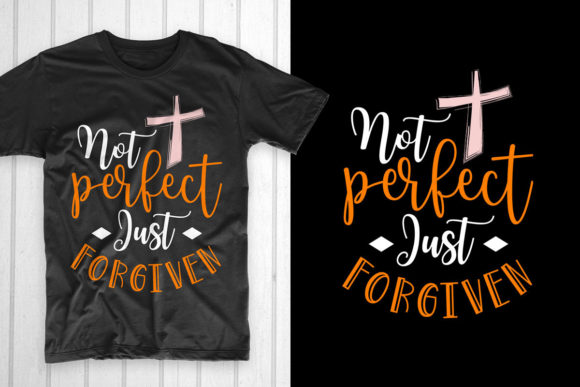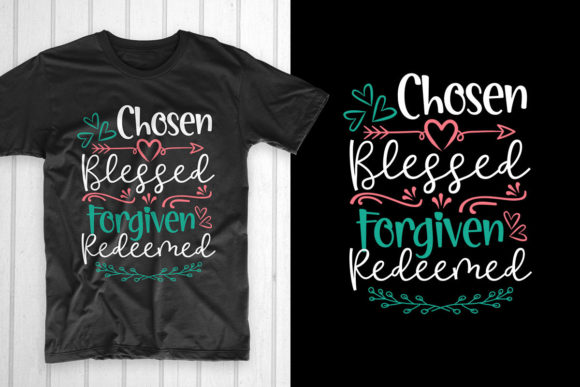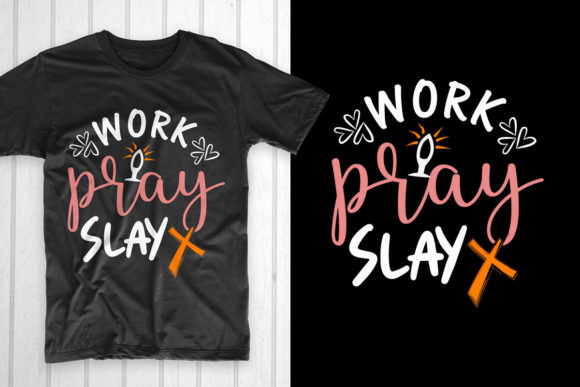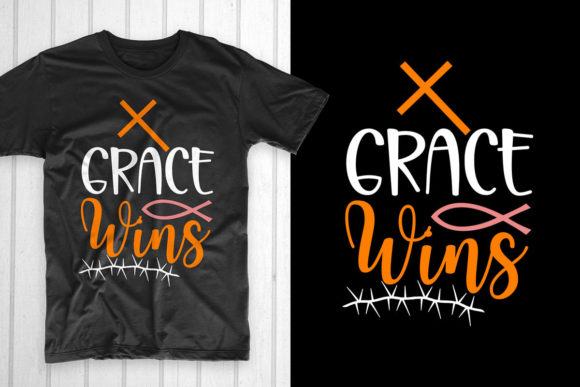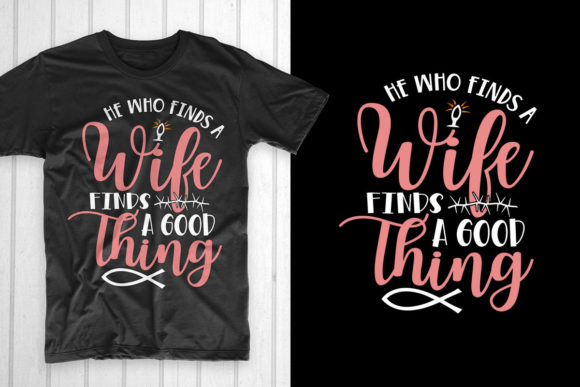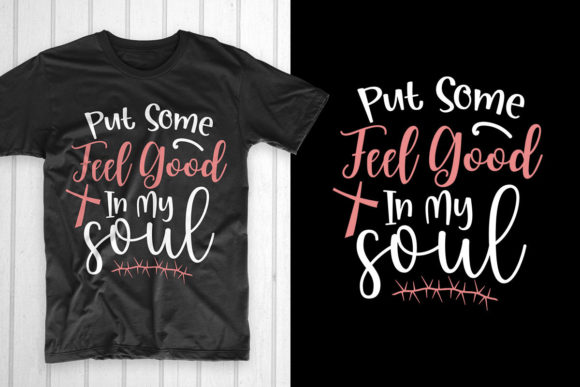
Good Friday T Shirt Crafts for Handmade Sellers
When I first opened Good Friday T Shirt. Put Some Feel Good, I was honestly surprised by how much personality this design carries. As someone who has run a small handmade business for over five years, creating everything from custom tumblers to seasonal sticker packs, I have seen a lot of graphic assets that look great in preview but fall apart in real crafting. This one feels different. It has a clean, uplifting energy that reminds me of the kind of faith-based or positivity-themed products my customers ask for around spring holidays, church events, and family gatherings. The mood is warm, approachable, and just playful enough to work across a range of handmade products without feeling too serious or too casual.
The visual style leans toward bold and readable, with enough decorative flair to catch the eye on a crowded Etsy shop or craft fair table. It does not try to be overly intricate or fussy, which is a relief for anyone who has spent hours weeding tiny vinyl pieces from a Cricut mat. This design respects your time. It also respects the customer who wants something heartfelt but easy to wear, gift, or display. If you sell to buyers looking for meaningful but not heavy-handed designs, this asset gives you a solid foundation.
Why This Design Works for Real Crafting Workflows
When I test a new graphic design asset, I run it through a few real-world scenarios before I ever list a finished product. I opened the SVG design in Cricut Design Space and the PNG design in my photo editing software to check transparency, resolution, and line quality. The SVG paths are clean, with no stray nodes or overlapping shapes that cause cutting errors. That might sound like a small detail, but if you have ever had a Cricut blade jump mid-cut because of a bad file, you know it can ruin a batch of materials and your profit margin. This file cuts reliably on standard setting for adhesive vinyl, iron-on, and even cardstock for layered projects.
The PNG version holds up well at 300 DPI, which means it is ready for sublimation design on mugs, coasters, and tumblers. I tested a quick sublimation print on a white ceramic mug, and the colors came through crisp with no blurring or pixelation. For print-on-demand sellers, that kind of resolution saves time and prevents returns. I also placed it on a product mockup for a t-shirt design, and it scaled beautifully without losing its bold character. Whether you are making a t-shirt design for a church group or a sticker design for a seasonal shop update, the file gives you room to resize without worry.
Where It Excels in Handmade Products
- T-shirt design and apparel: This asset shines on shirts, especially when paired with a soft pastel or neutral background. The readability at a distance makes it ideal for event tees, family reunion shirts, or small-batch faith-based clothing.
- Mug design and tumbler wraps: The layout fits well on standard 11 oz and 15 oz mugs. I tested it as a full wrap and a centered design. Both looked professional. For tumblers, the bold shapes hold up during sublimation without ghosting.
- Sticker design and decals: The cut lines are straightforward enough for kiss-cut and die-cut stickers. I made a small batch of 2-inch stickers for planner pages, and the detail remained clear even at that size.
- Greeting cards and gift tags: This design works as a focal point on a folded card or a simple gift tag. I paired it with a plain kraft paper tag and a jute ribbon, and it felt elevated without extra effort.
- Printable wall art and home decor: The positive message fits nicely into an 8x10 frame. I tested it as a printable design on matte paper, and the contrast made it suitable for both modern and rustic decor styles.
- Tote bags and canvas projects: Iron-on vinyl on a cotton tote bag looked clean after one wash. I would suggest a low-heat press and a Teflon sheet to protect the design, but the results were solid.
- Party decorations and seasonal bundles: If you create design bundles for Easter or spring celebrations, this asset can anchor a collection. I used it on a banner, a cupcake topper, and a small thank-you card, and the cohesive look saved me from designing from scratch.
Where to Use Careful Judgment
No asset is perfect for every project, and I always tell other makers to test before committing to bulk production. This design has some areas that require attention. The text and graphic elements are generally bold, but if you scale the file down to under 1.5 inches for small stickers or jewelry-sized pieces, the readability drops. I tried it on a 1-inch charm sticker, and the letters started to look crowded. For very small cuts, I recommend simplifying the layout or using only the core icon portion of the design.
Thin lines are not a major issue here, but if you plan to layer multiple vinyl colors, check the spacing between elements. I did a test layered project with white and gold vinyl on a dark shirt. The alignment was fine, but I had to adjust the offset to prevent the layers from bleeding into each other. If you work with layered vinyl projects regularly, take a few minutes to separate the design into color layers before cutting. That extra step saves frustration.
Low-contrast color combinations can wash out the message. On a light gray or cream shirt, the design needs a darker color to pop. I tested it on a pale pink background with white lettering, and it became hard to read from more than a few feet away. For sublimation design, make sure your substrate is light enough to show the colors clearly. Dark mugs or dark shirts will require a white base layer or a different production method.
Practical Crafter Notes Before You Sell
Before you list any finished product using this asset, run through a short checklist that saves me from costly mistakes every season. First, test the file on your specific machine. I cut it on a Cricut Maker 3 and a Silhouette Cameo 4. Both handled the SVG without issues, but I adjusted the pressure slightly on the Silhouette because the default setting was too aggressive for the intricate parts of the lettering. If you use a different machine, run a small test cut on scrap material first.
Second, check the PNG transparency in your design software. I opened the file in Affinity Designer and Photoshop. The background was clean with no halos or rough edges. That matters for printable products where a jagged edge looks unprofessional.
Third, confirm the commercial license. I always check the terms before using any clip art or illustration for customer orders. Some assets allow unlimited commercial use, while others cap the number of products you can sell. Read the fine print so you do not risk your handmade business or your Etsy shop.
Fourth, test colors before printing. I printed a sample on my home inkjet and then sublimated a test piece. The colors were slightly warmer on the sublimation transfer than on the screen. Adjust your saturation or brightness accordingly if you need an exact match.
Fifth, check how the design looks on both white and dark products. On a white t-shirt, the asset stands out with clear contrast. On a black or navy shirt, you may need to reverse the colors or add a white outline. I tested it on a dark gray hoodie using white iron-on, and the result was subtle but readable. If your customer base prefers dark apparel, offer a color variation.
Finally, place the design on real product mockups before listing. I use mockups from a creative marketplace to see how the asset scales on different items. A mockup helps you catch sizing issues before you invest in materials. I resized the design three times before I settled on the perfect dimensions for a standard adult t-shirt. That kind of testing builds trust with your customers and reduces returns.
Pairing This Design with Fonts and Layouts
One of the strengths of this design is its flexibility with typography. I tested it with a serif font on a greeting card, and the traditional feel matched well. For a more modern look, I used a clean sans serif font on a tote bag. The asset also pairs nicely with a script font if you want a handmade, calligraphy-style accent. I personally prefer a handwritten font for sticker sets because it keeps the mood casual and friendly. If you sell digital products like printable planners or journal kits, a display font can give the design extra personality without overwhelming the layout.
When I created a small collection of handmade shop products for a local craft fair, I used the asset as the centerpiece on a banner, then repeated the same design in a smaller size on matching gift tags and bookmark cards. The repetition created a cohesive brand look that customers noticed. For small business branding, consistency across products builds recognition and encourages repeat sales.
Seasonal and Year-Round Potential
This asset works naturally for Easter and spring collections, but I see year-round potential as well. The positive message fits birthdays, encouragement gifts, and everyday wear. I added it to my design bundle for a "thinking of you" collection, and it sold as well in October as it did in March. If you run an Etsy shop, consider offering it as a standalone design and as part of a multi-product bundle. That strategy increases your average order value without requiring new design work.
For print-on-demand sellers, the asset works across multiple platforms. I uploaded it to my Printful and Printify accounts for t-shirts and hoodies. The file dimensions fit the standard upload requirements with minimal adjustment. If you sell on Amazon Merch or Redbubble, the same file translates well to those formats.
Final Thoughts from a Fellow Maker
Good Friday T Shirt. Put Some Feel Good is a reliable graphic design asset that saves time and delivers consistent results. It is not a file you have to fight with. The clean lines, readable message, and flexible style make it suitable for a wide range of Cricut projects, Silhouette projects, and printable products. Whether you are preparing a seasonal collection for your handmade business or fulfilling a custom order for a customer who wants something meaningful, this design gives you a strong starting point. Test it, tweak it to fit your product lineup, and put it to work in your shop. Your customers will notice the quality, and you will appreciate how smoothly it moves from file to finished product.